












.svg)







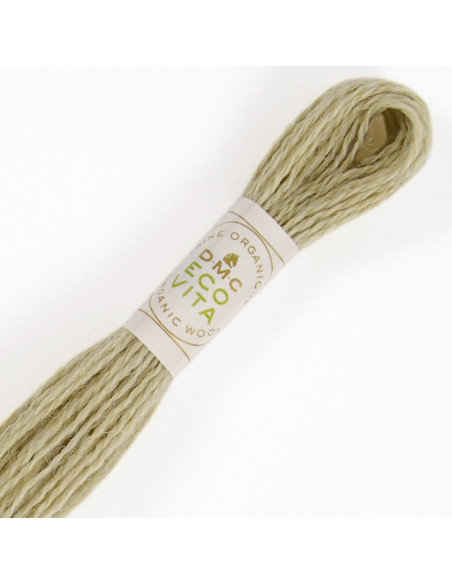
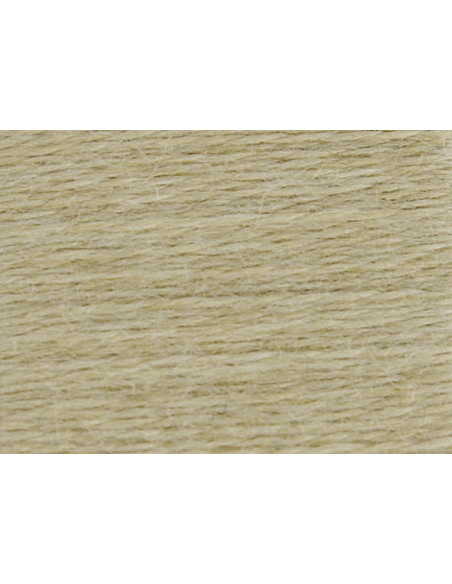

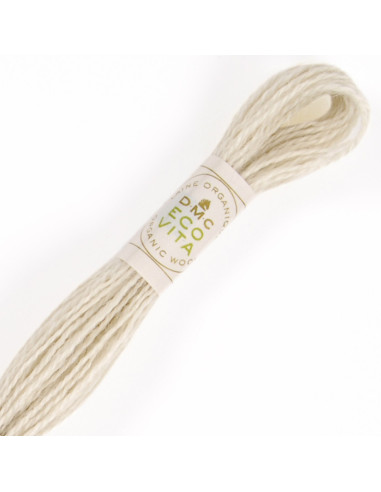
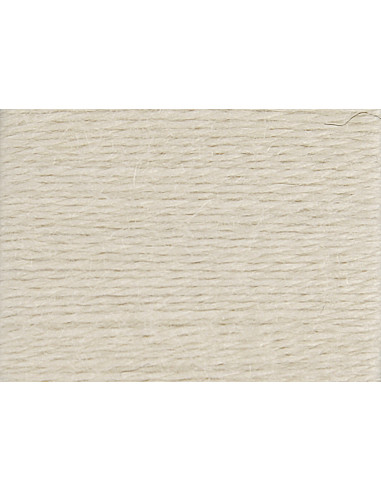
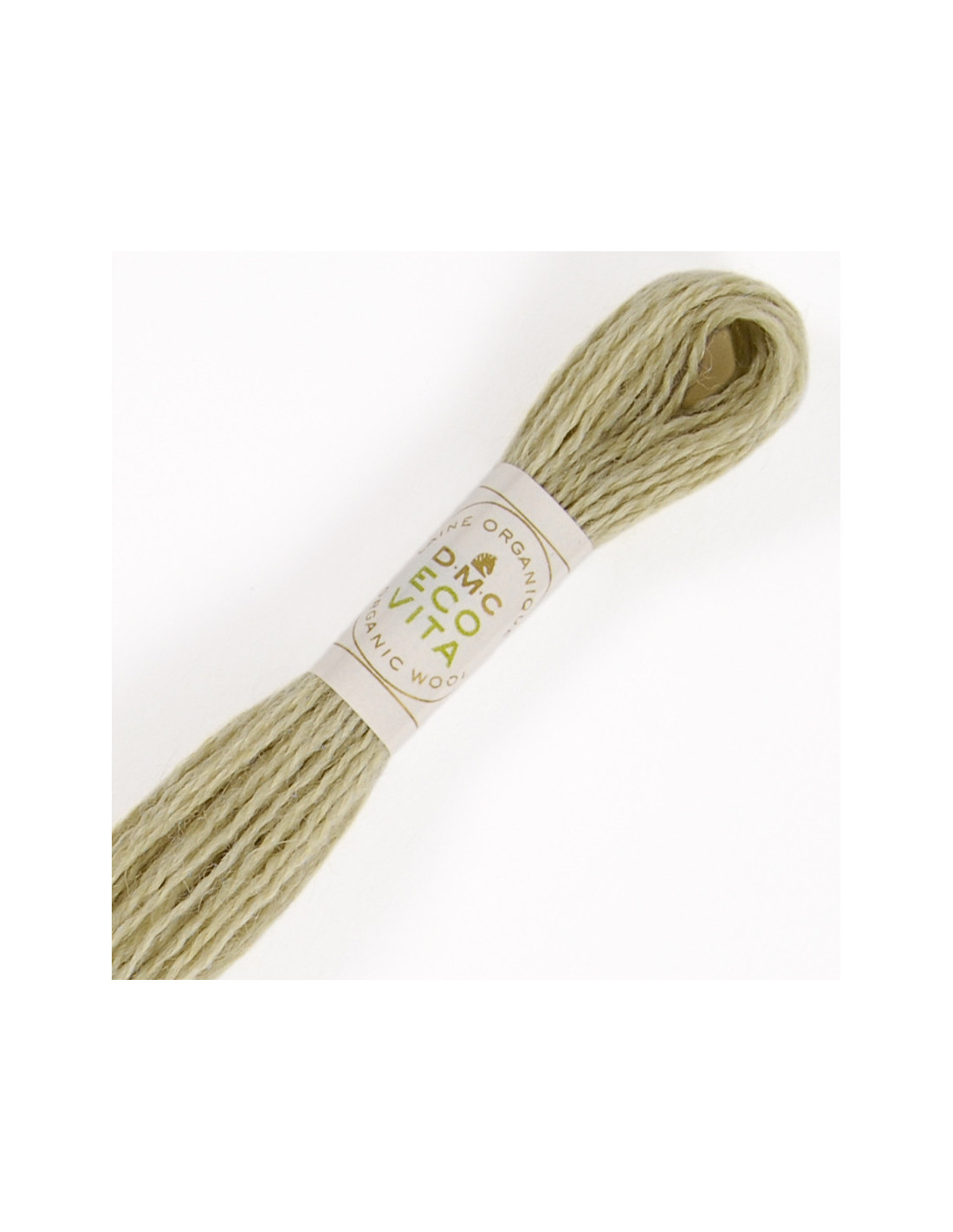
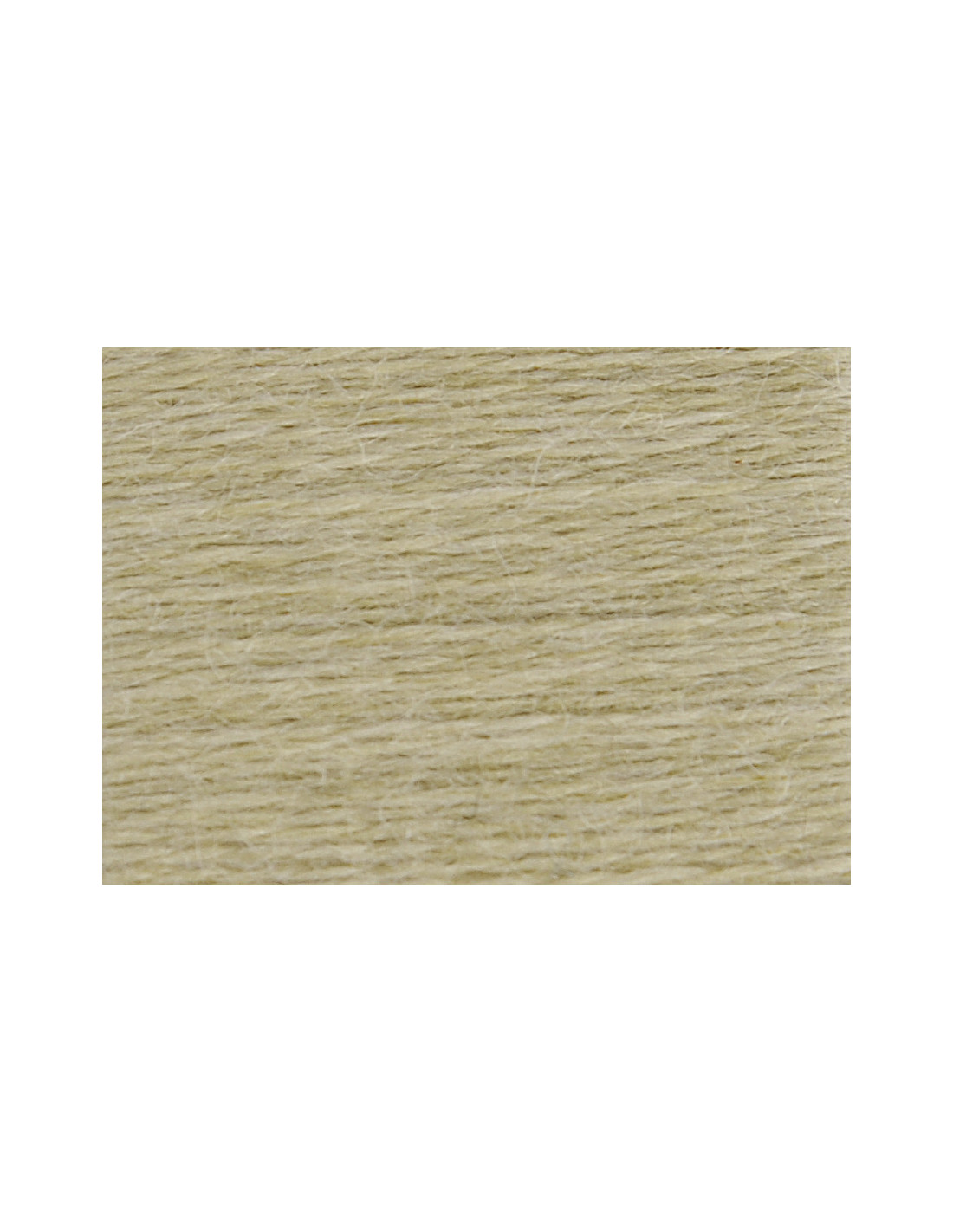
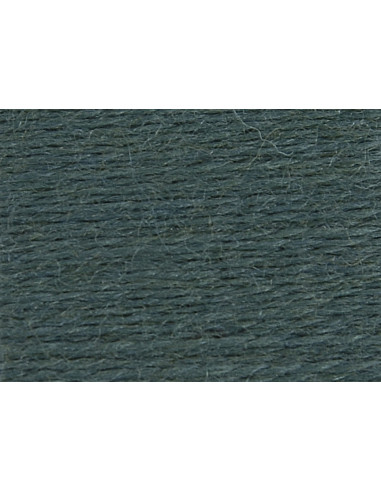
No. 001 - Juniper
 By buying this product you can collect up to
1
point
.
Your cart will total 1
point that can be converted into a voucher of
€0.03.
By buying this product you can collect up to
1
point
.
Your cart will total 1
point that can be converted into a voucher of
€0.03.
| Qty | 1–5 | 6–11 | 12–17 | 18+ |
|---|---|---|---|---|
| Price | €1.75 | €1.65 | €1.55 | €1.45 |
This wool embroidery thread is a tribute to nature: its rich color palette is entirely obtained with natural ingredients such as walnut, rhubarb, indigo, or juniper.
Perfect for embroidery, cross-stitch, punch needle, weaving, and mending, this soft thread is pleasant to work with and gives projects a 3D effect. It is hand washable at 30 degrees and is well-suited for embellishing wool garments or accessories. As with all vegetable-dyed items, slight variations in shades are possible within the same color. This 100% organic wool, guaranteed mulesing-free*, is a committed choice for environmentally respectful consumption.
Single-strand non-divisible thread: approximately the size of 3 strands of Mouliné 117.
100% organic Merino wool – guaranteed mulesing-free.
Woolmark certification (passed 4 tests: light / washing / rubbing / perspiration).
Natural dye: no chemical ingredients used in the manufacturing process.
Organic or Biological Wool
Organic wool is a responsible alternative to conventional wool. It corresponds to serious labels that rely on high standards to ensure breeding conditions that respect animals, the planet, and people. The characteristics of organic or biological wool are as follows:
The prohibition of using hormonal treatments, which are harmful to both animals and humans
The use of organic breeding areas and responsible pasture management (without the use of pesticides, for example)
The cleaning of wool according to strict principles before processing (without chemicals, for example)
The prohibition of the practice of mulesing*
*Mulesing Mulesing is a sheep farming technique for Merino sheep aimed at preventing myiasis (a disease that Merino sheep can catch, characterized by the subcutaneous presence of fly larvae). Farmers practice mulesing to increase the productivity of their livestock. This practice is completely contrary to the animal's welfare. It involves mutilating the skin around the sheep's tail, a barbaric practice that is traumatizing for the animal.
No. 001 - Juniper
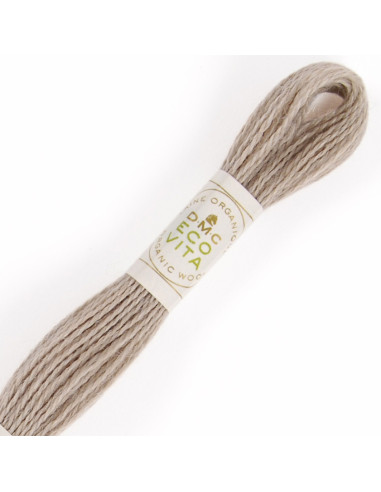
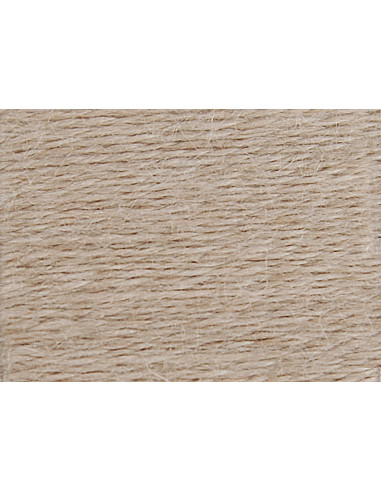
No. 002 - Fresh walnut
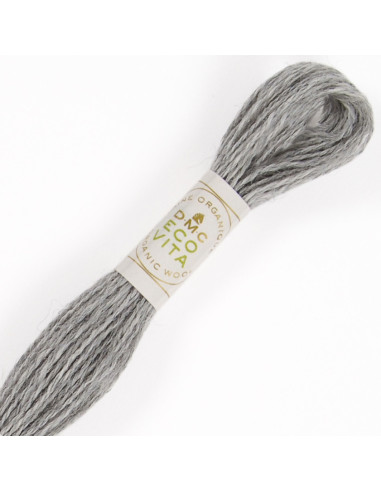
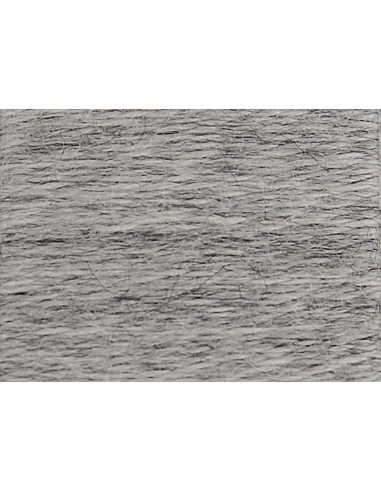
No. 003 - Ashy West Indian Wood
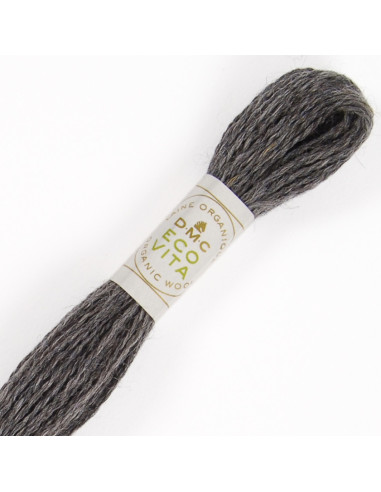
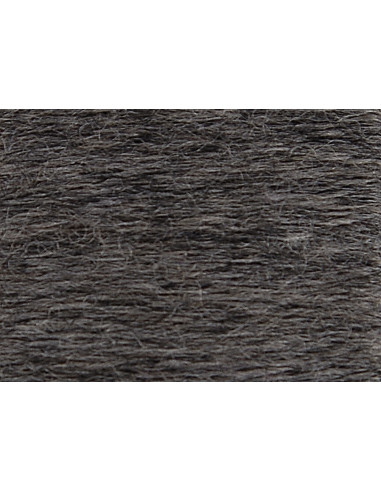
No. 004 - Dried nut
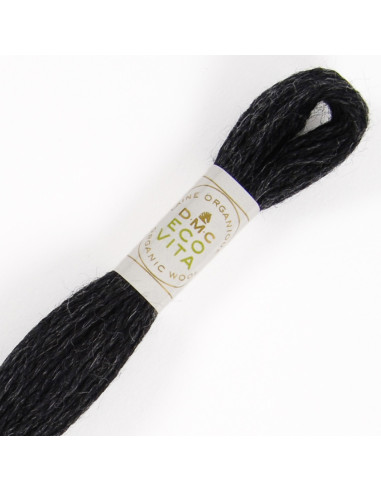
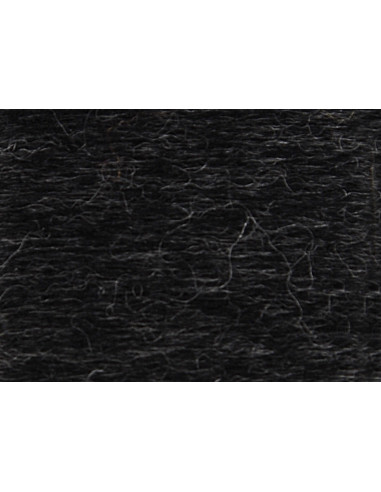
No. 005 - Burnt Bois d'Inde
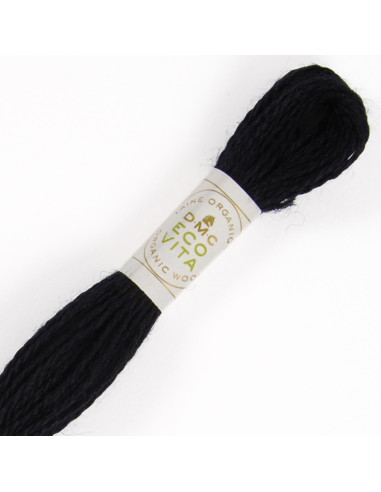
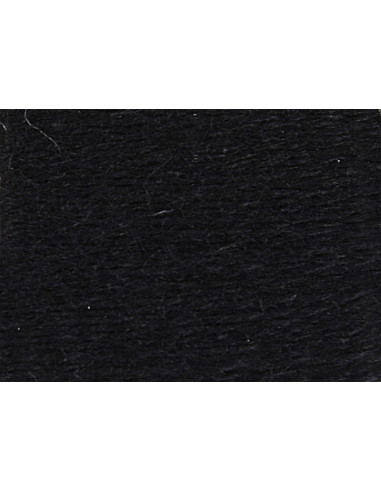
No. 006 - Charred Bois d'Inde
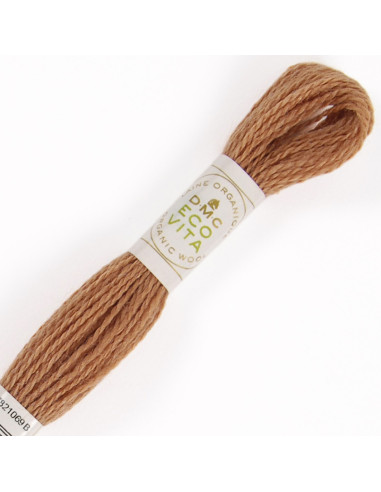
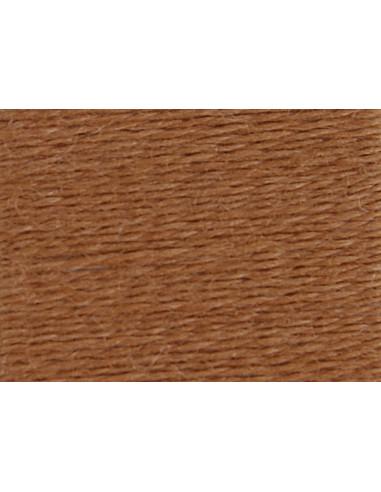
No. 101 - Sand Henna
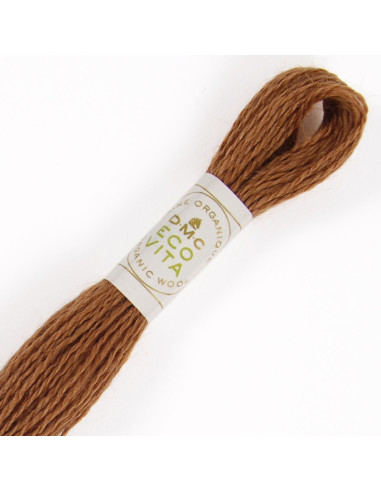
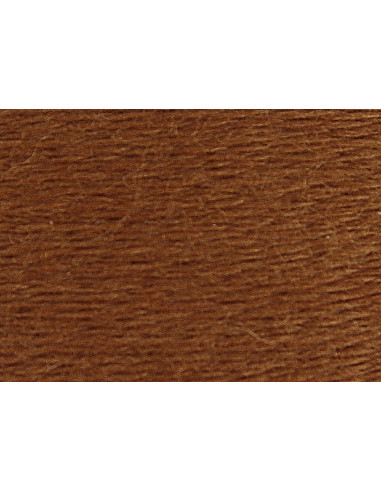
No. 102 - Copper Cachou
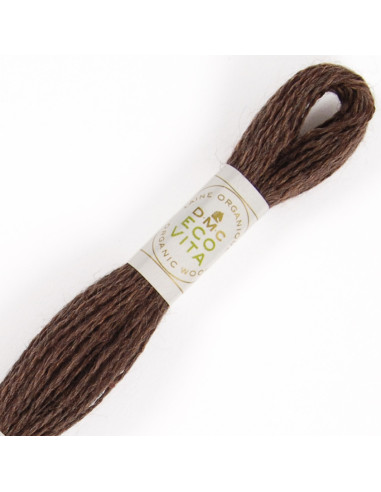
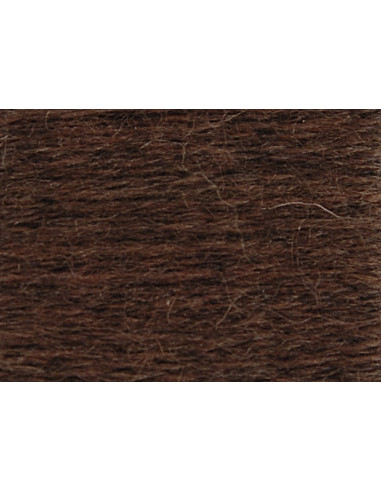
No. 103 - Henna of the lands
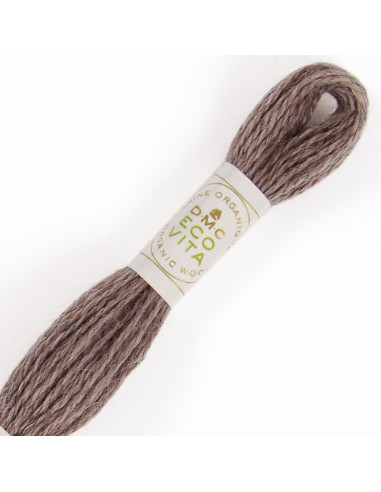
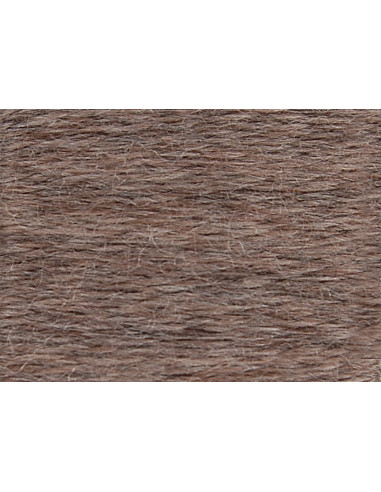
No. 104 - Plains Henna
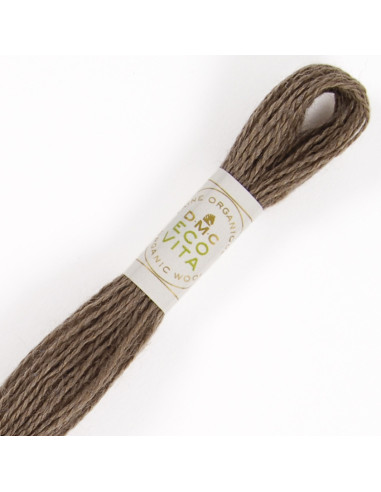
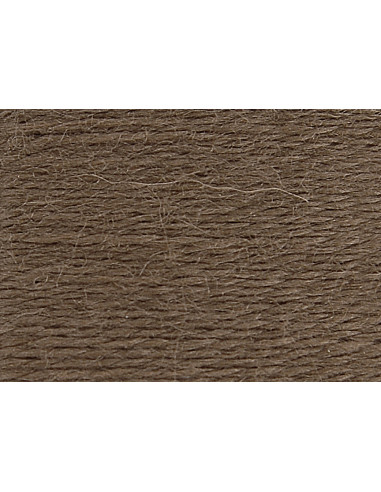
No. 105 - Roasted cashew
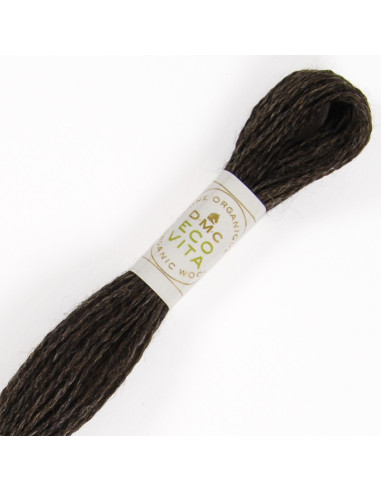
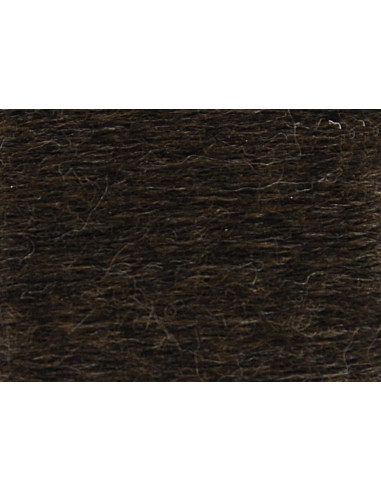
No. 106 - Intense Bois d'Inde
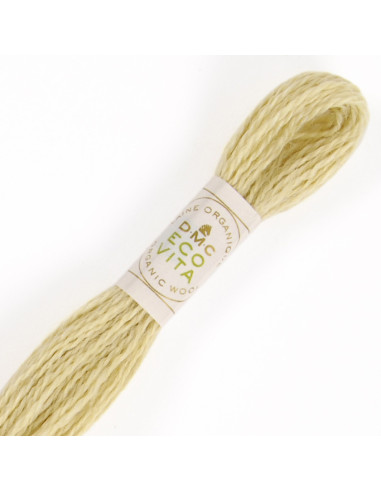
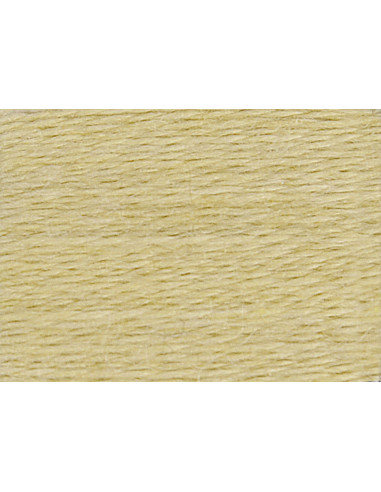
No. 201 - Creamy Gaude
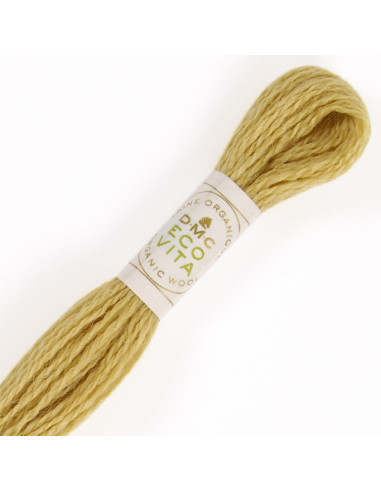
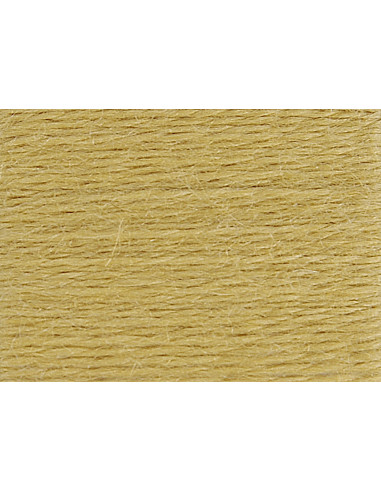
No. 202 - Vanilla Buckthorn
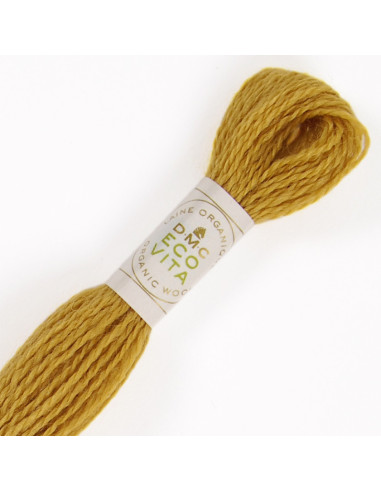
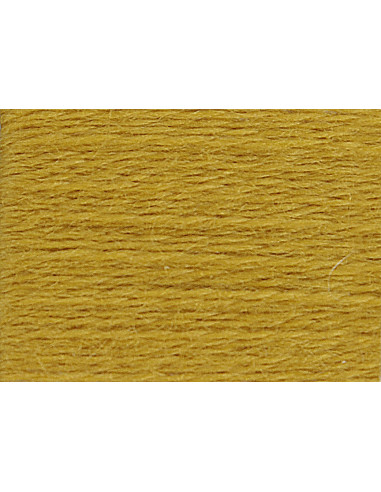
No. 203 - Lemon Safflower
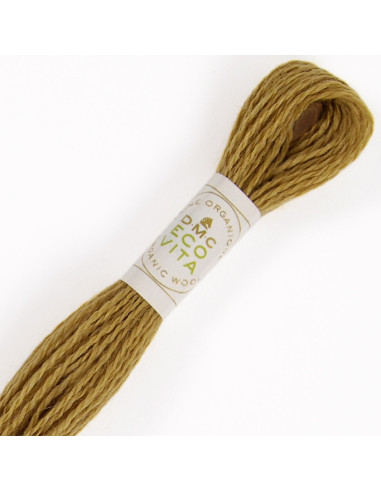
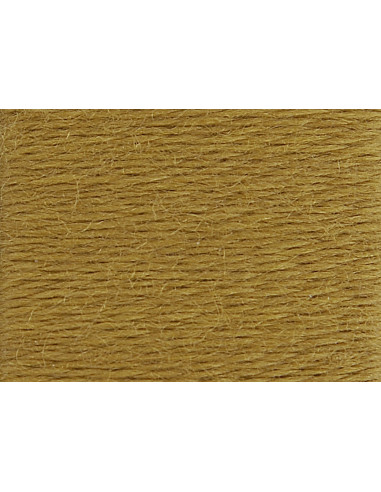
No. 204 - Rhubarb compote
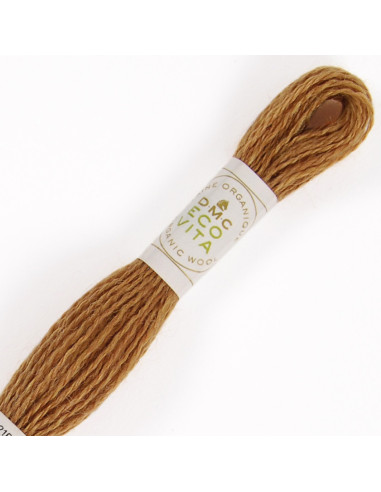
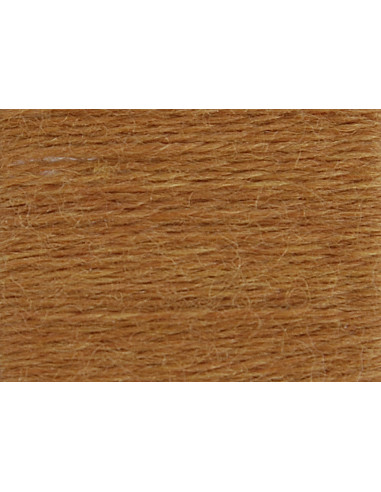
No. 205 - Rhubarb Cinnamon
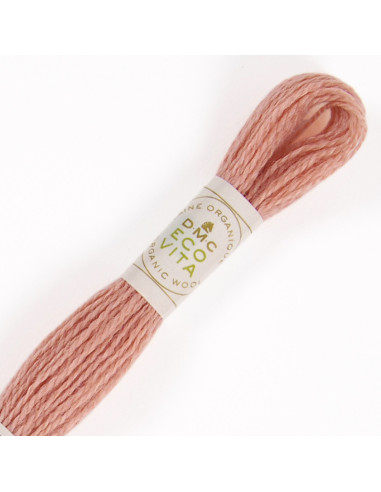
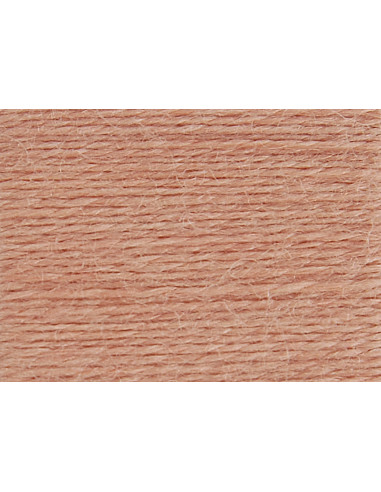
No. 301 - Lychee red
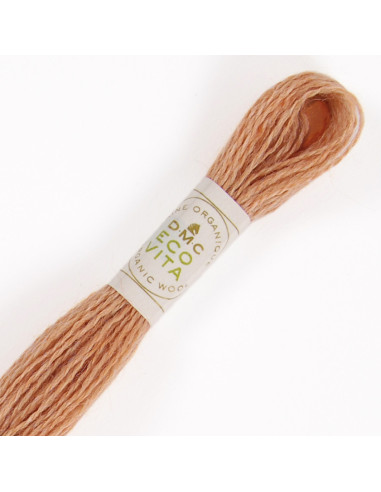
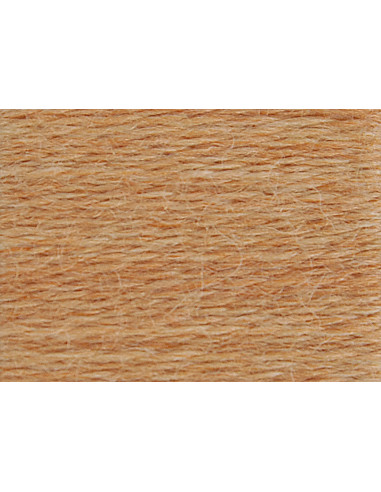
No. 302 - Safflower pomelos
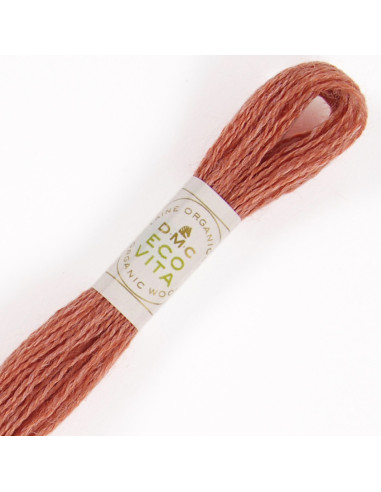
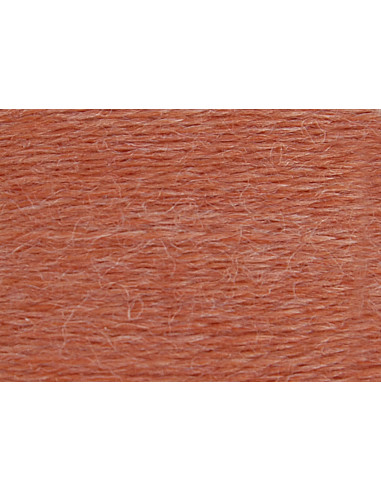
No. 303 - Papaya red
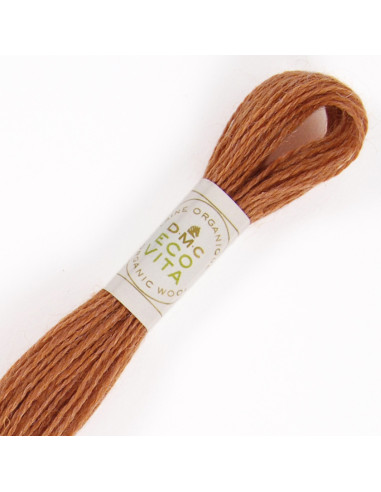
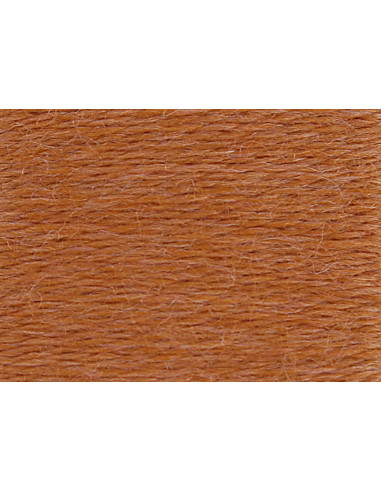
No. 304 - Mango cachou
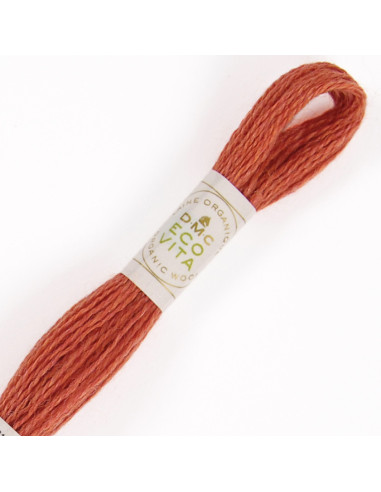
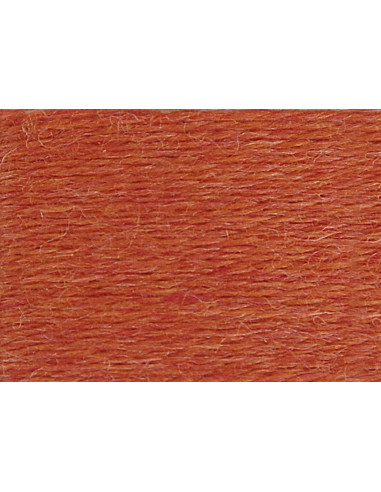
No. 305 - Passionate Garance
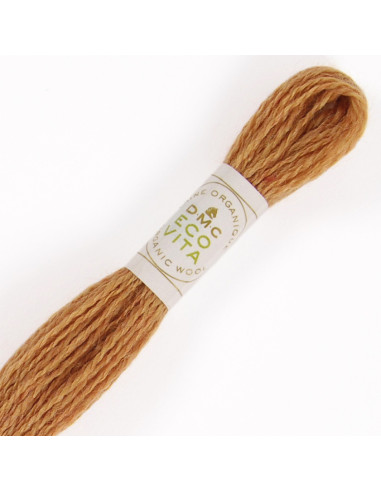
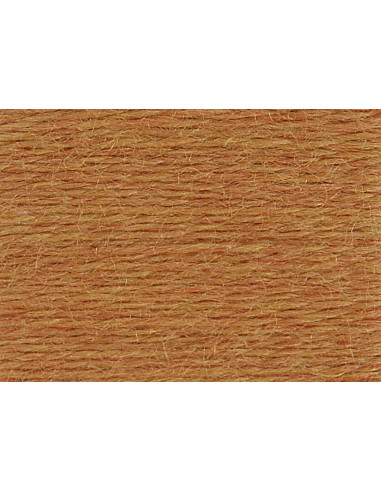
No. 306 - Safflower Citron
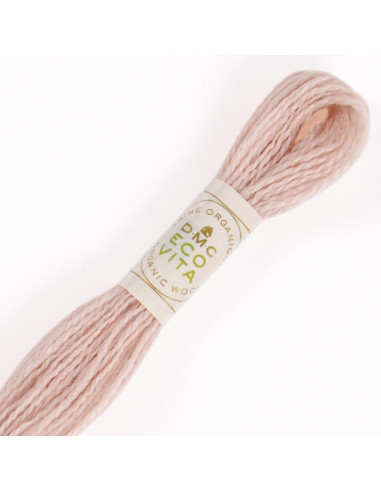
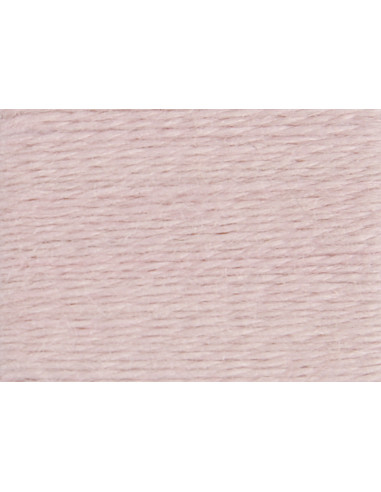
No. 401 - Jasmine cochineal
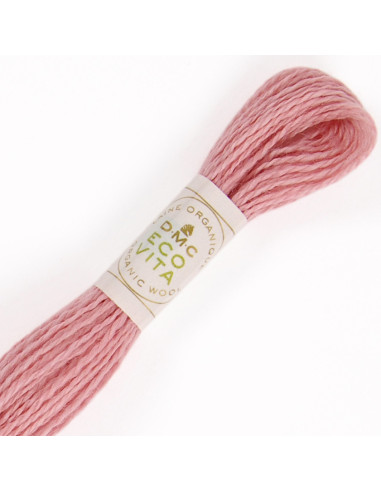
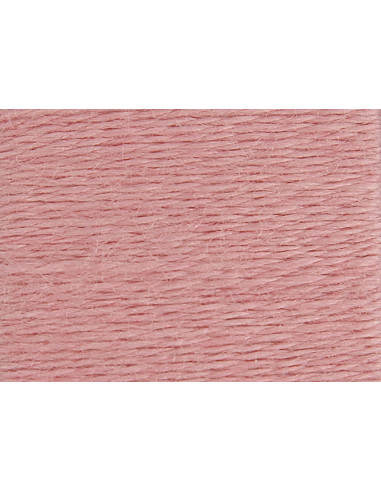
No. 402 - Magnolia scale
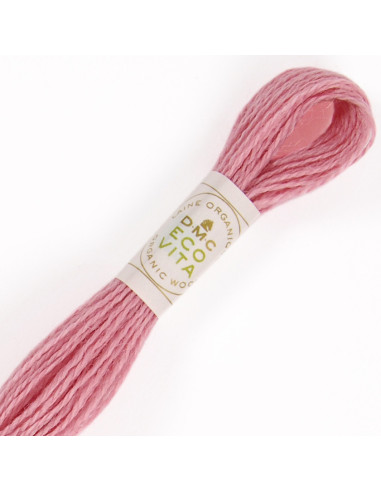
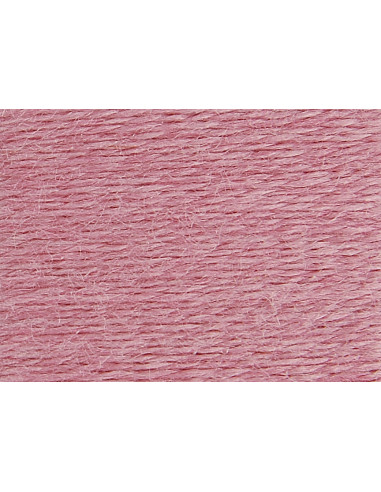
No. 403 - Lotus cochineal
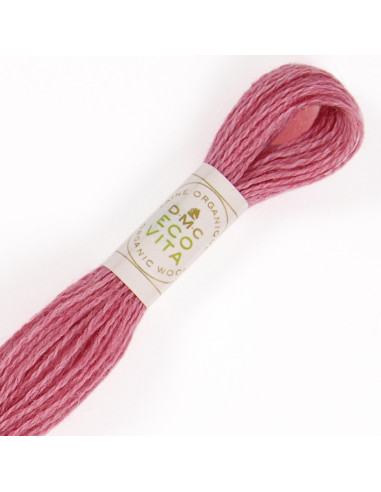
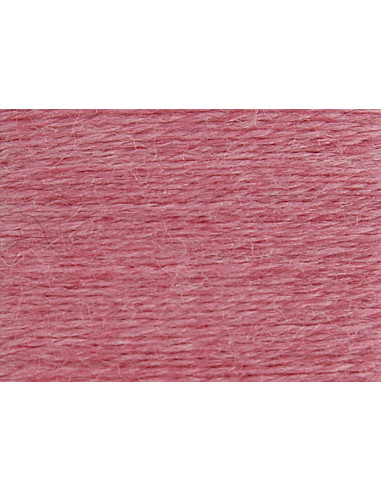
No. 404 - Althea cochineal
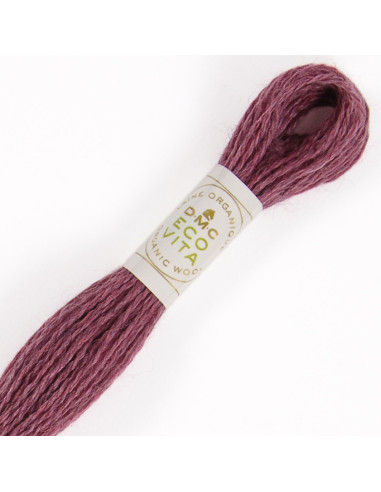
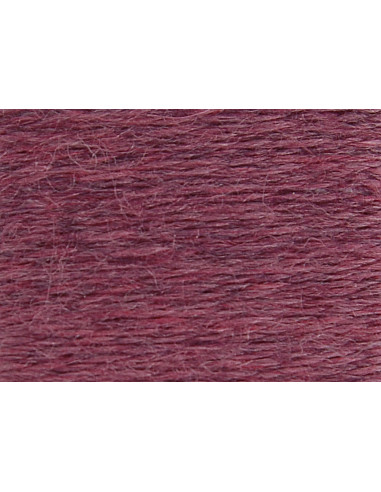
No. 405 - Hydrangea scale
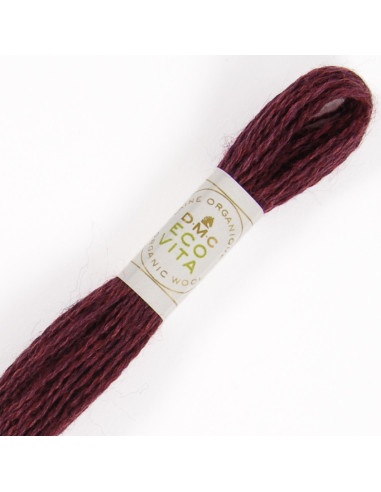
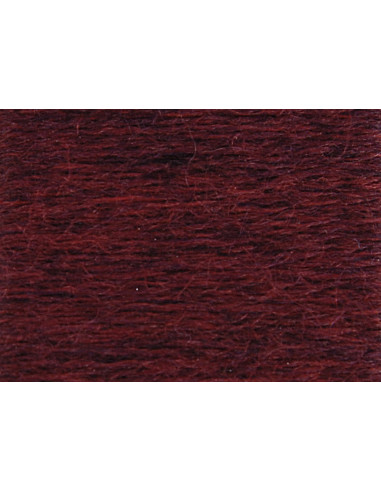
No. 406 - Peony Red
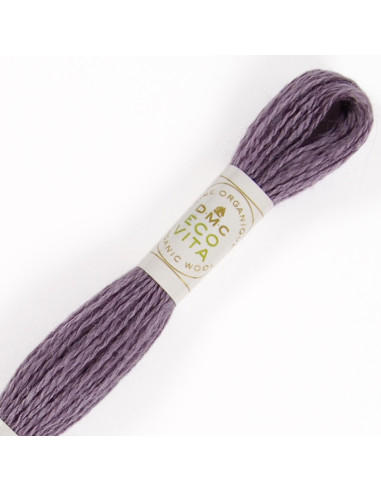
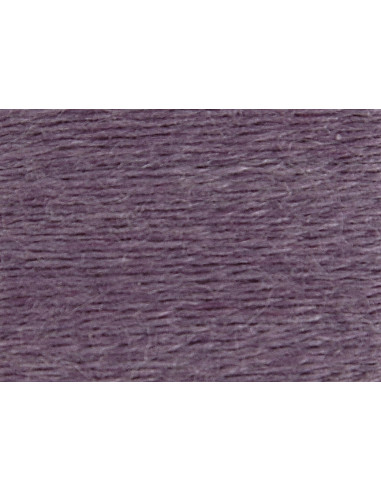
No. 407 - Aster scale
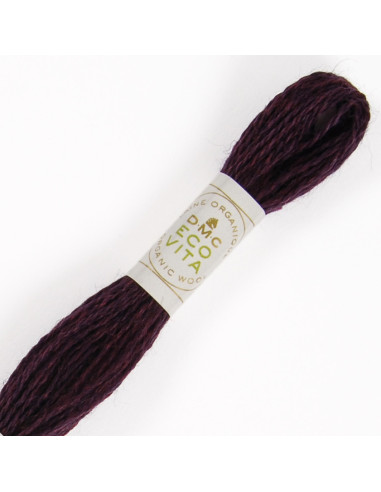
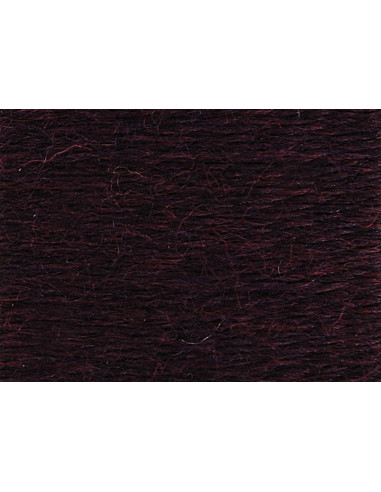
No. 408 - Colchicum Red
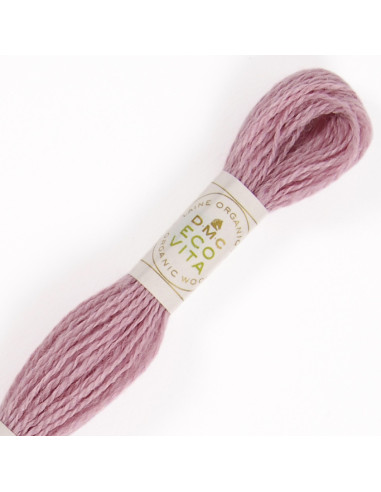
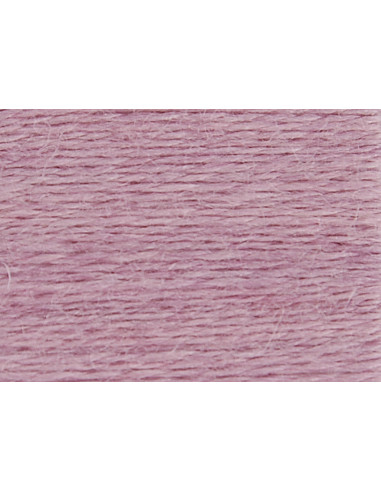
No. 409 - Clematis scale
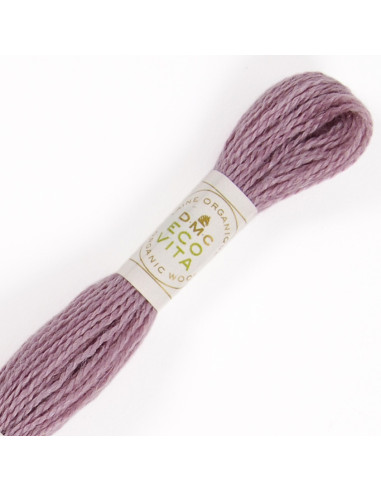
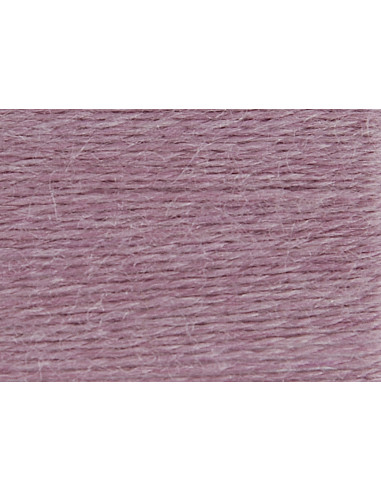
No. 410 - Heather cochineal
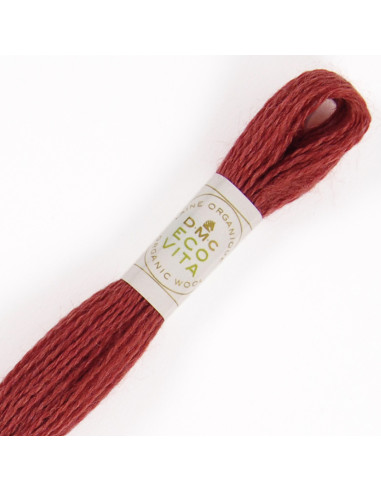
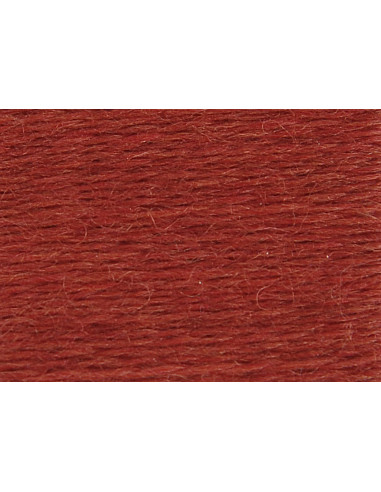
No. 501 - Imperial Garance
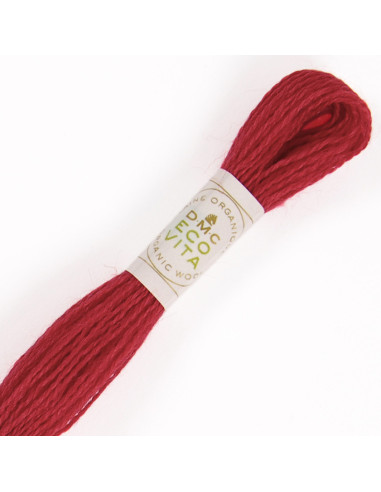
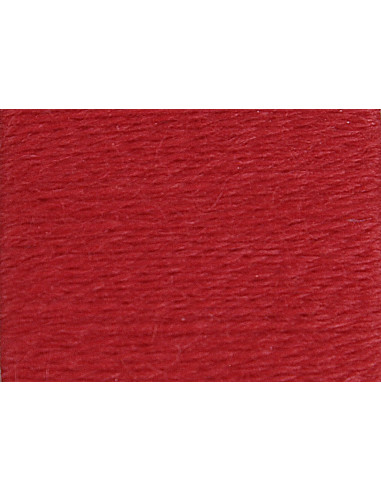
No. 502 - Fiery Red
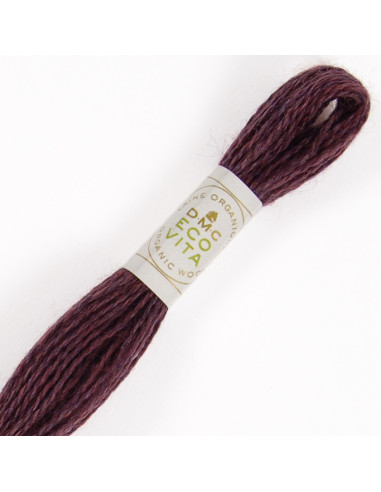
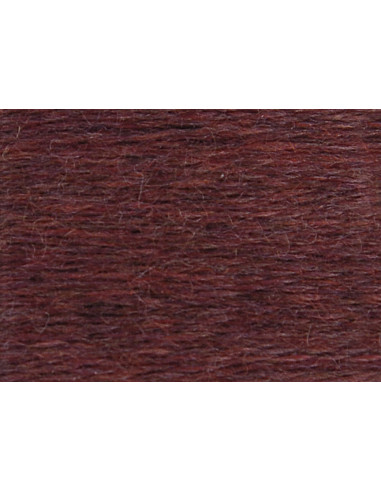
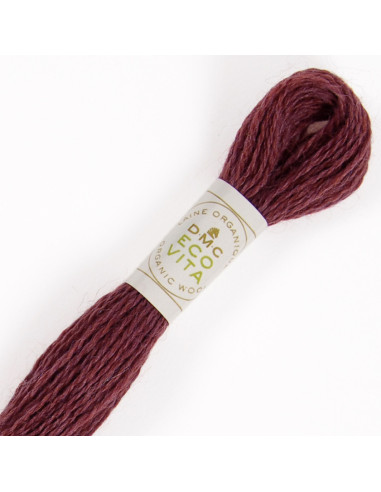
No. 503 - Cardinal red
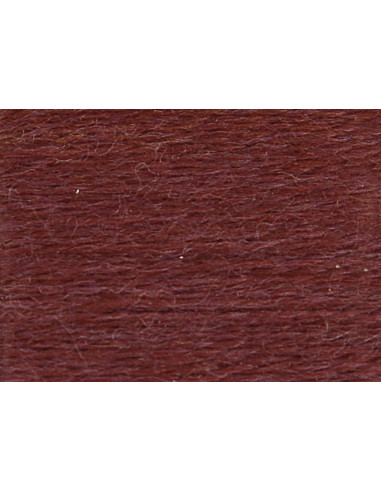
No. 504 - Vermilion Garance
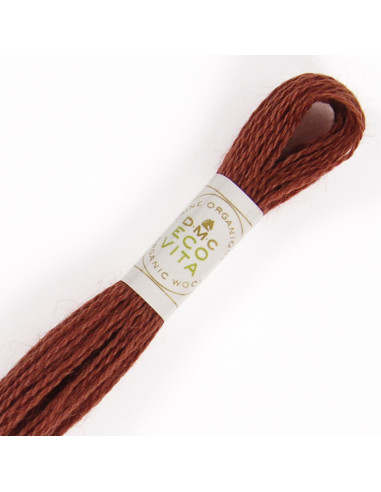
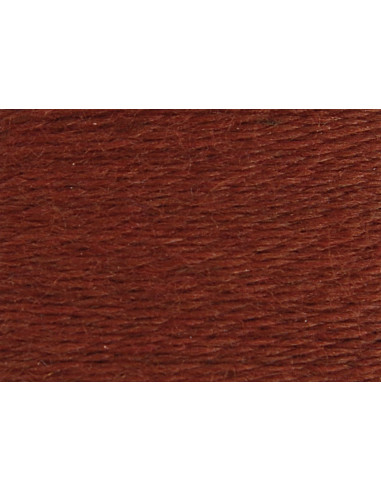
No. 505 - Blood Red
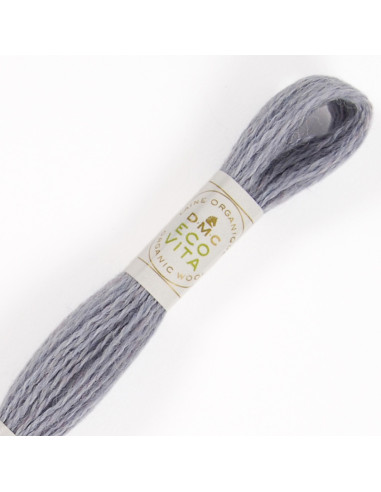
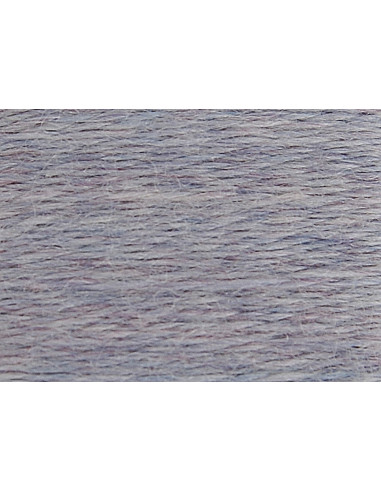
No. 601 - Baltic Indigo
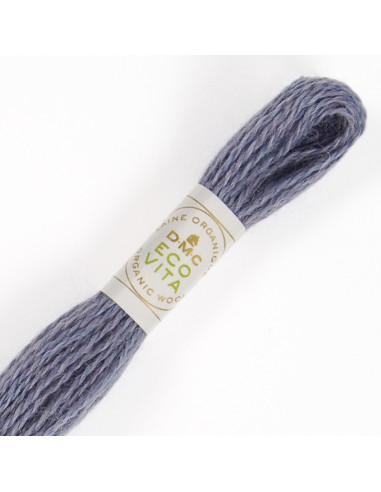
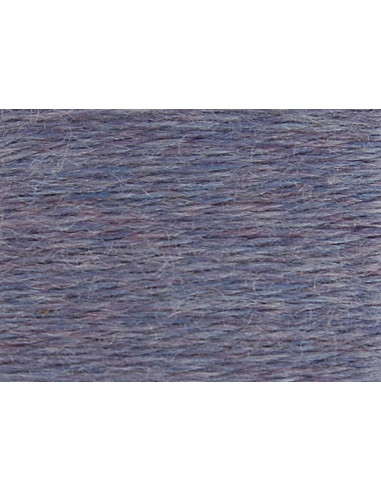
No. 602 - Misty Indigo
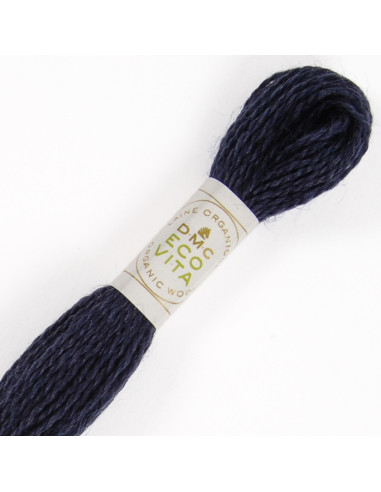
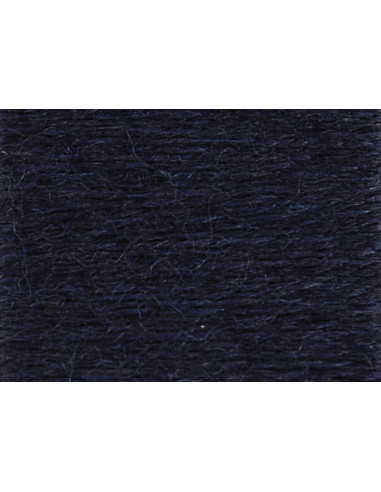
No. 603 - Bois d'Inde Abysses
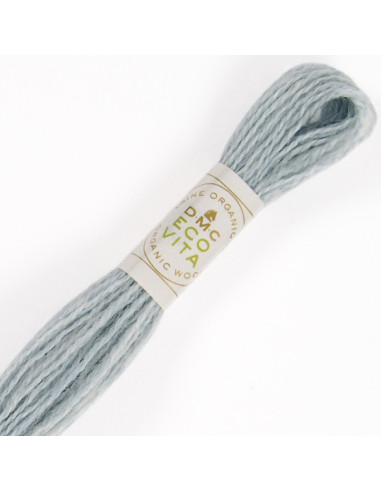
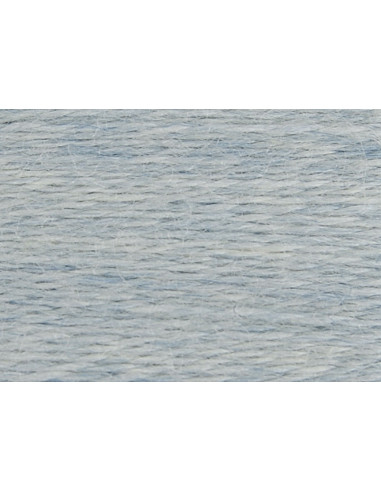
No. 604 - Sky Indigo
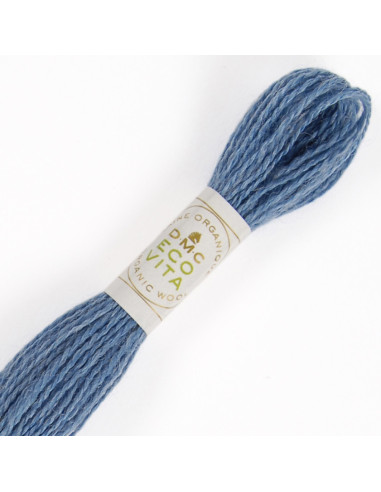
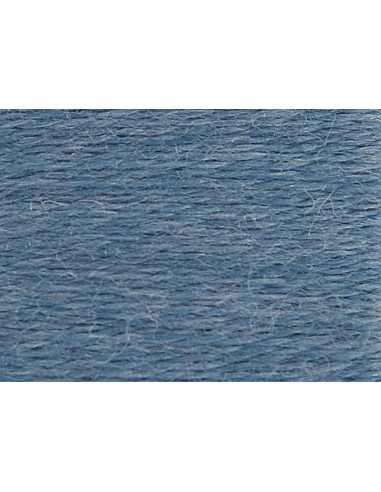
No. 605 - Azure Indigo
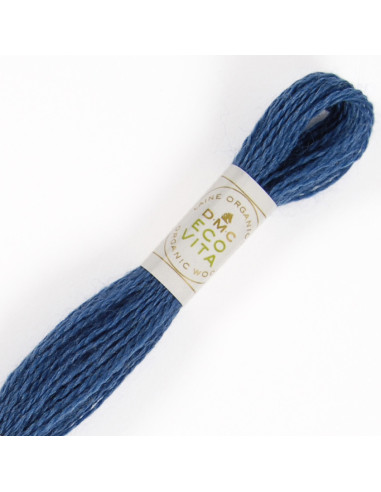
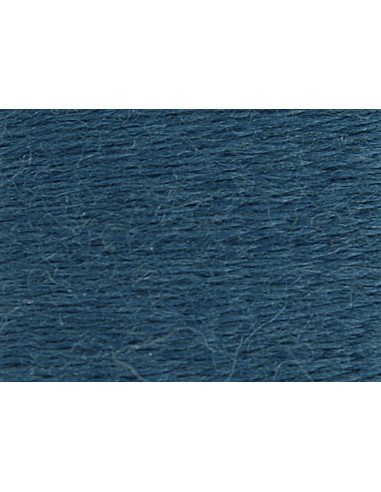
No. 606 - Overseas West Indian Wood
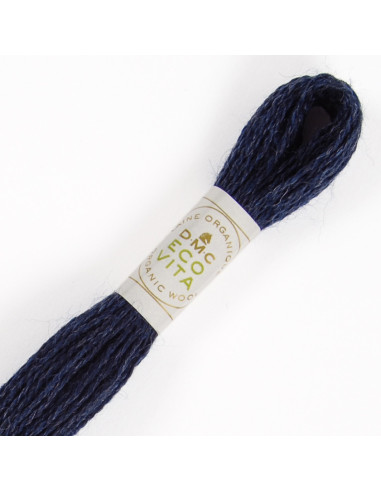
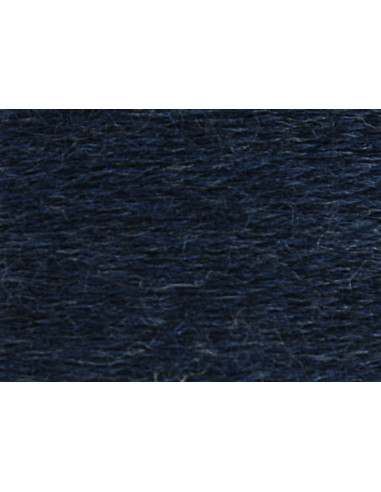
No. 607 - Night Indigo
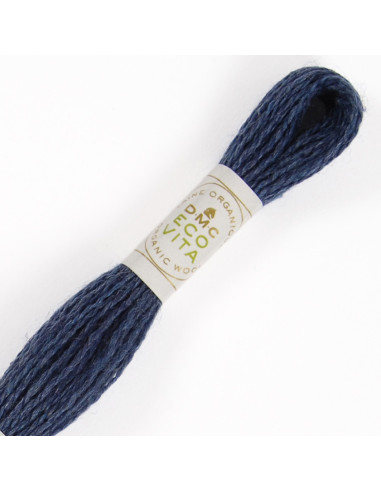
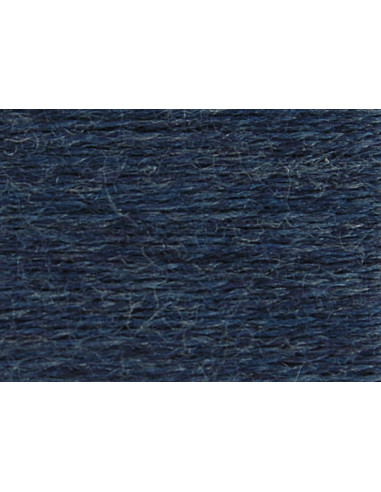
No. 608 - Marine Indigo
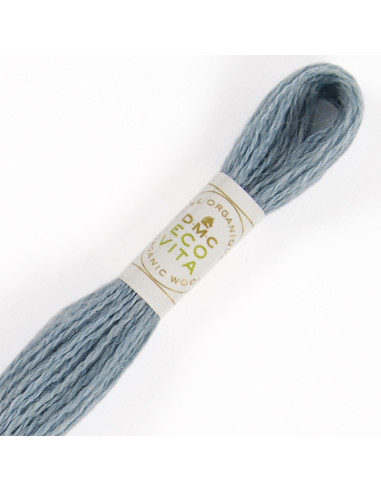
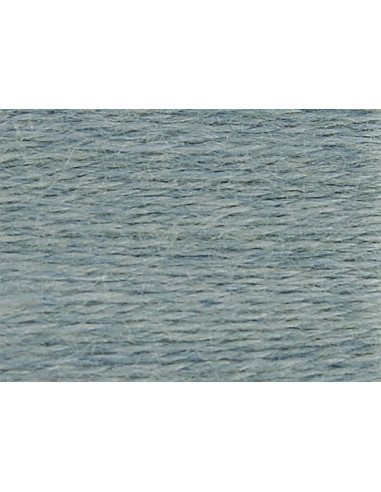
No. 609 - Arctic Indigo
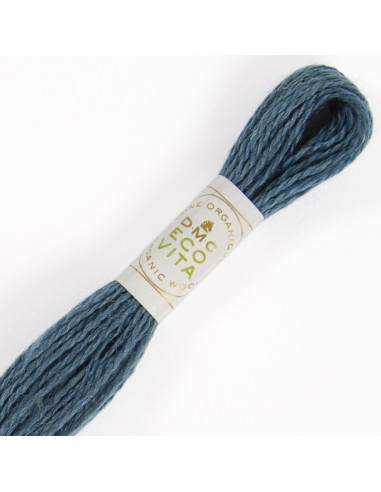
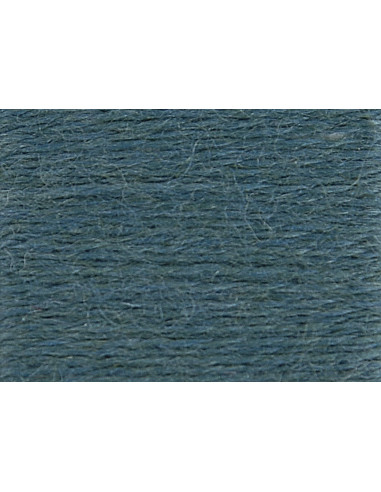
No. 610 - Ocean Indigo
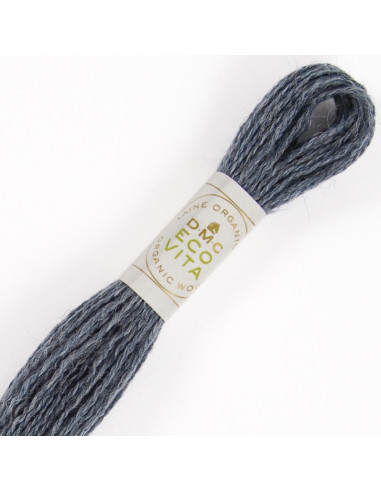
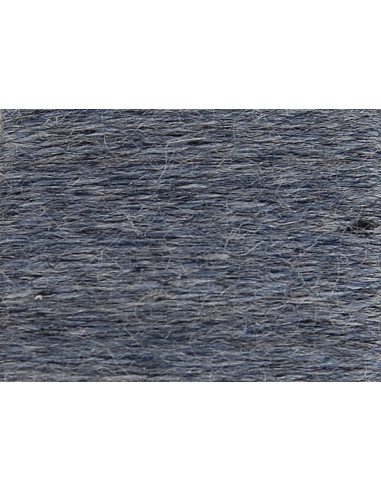
No. 611 - Indigo Cloud
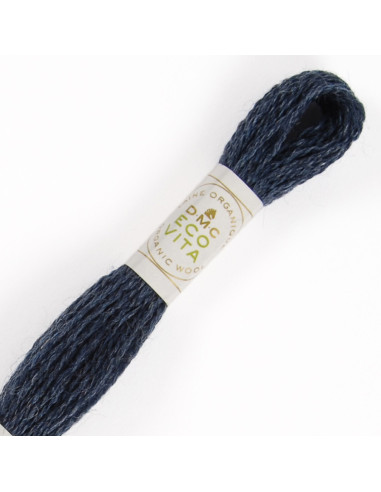
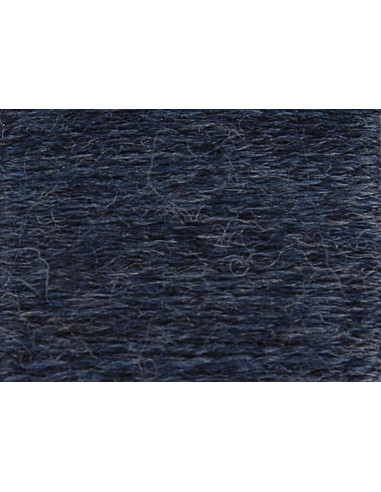
No. 612 - Storm Indigo
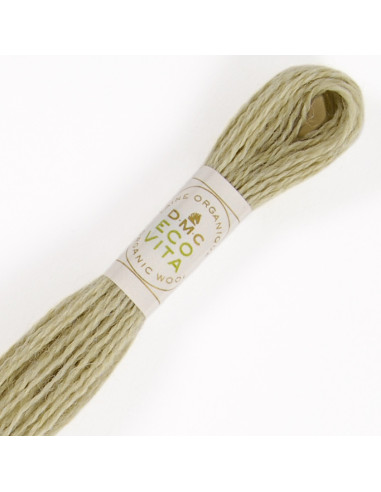
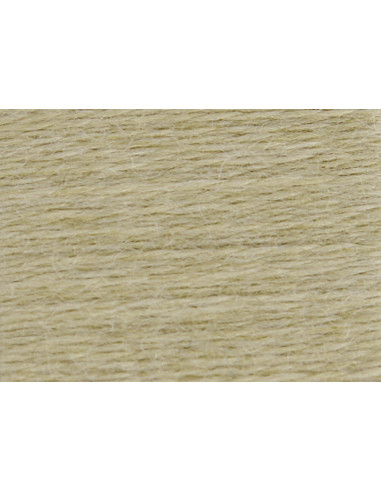
No. 701 - Soft Ivy
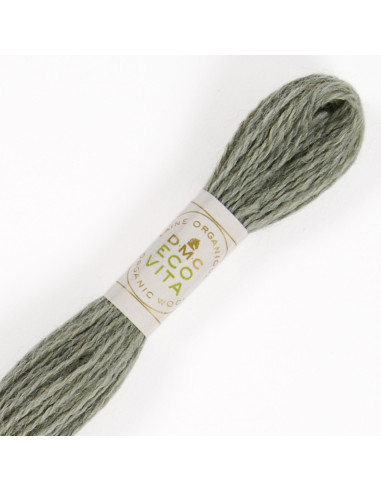
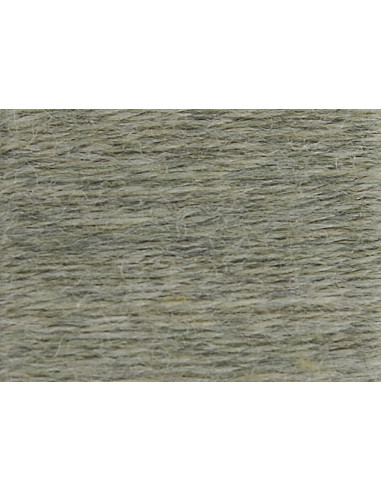
No. 702 - Gaude lichen
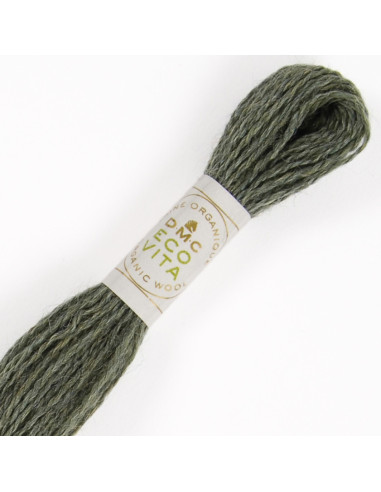
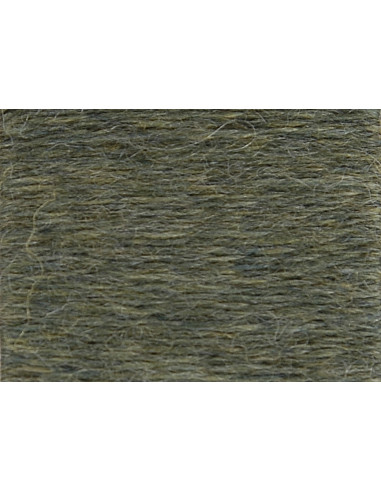
No. 703 - Indigo foam
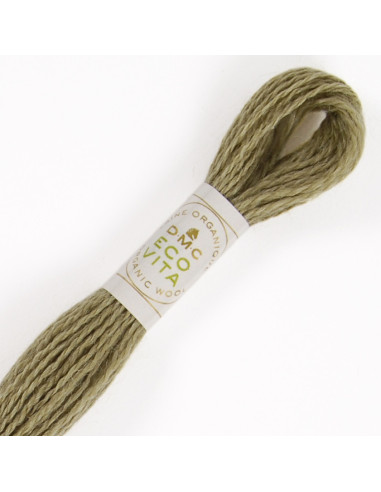
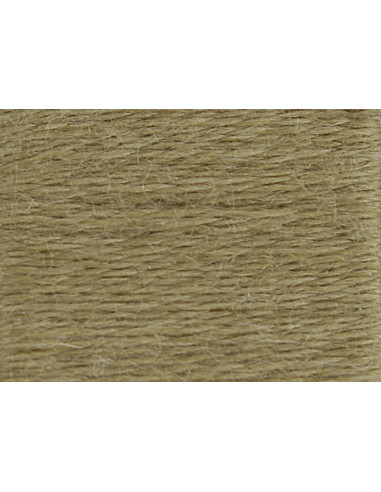
No. 704 - Gaude saule
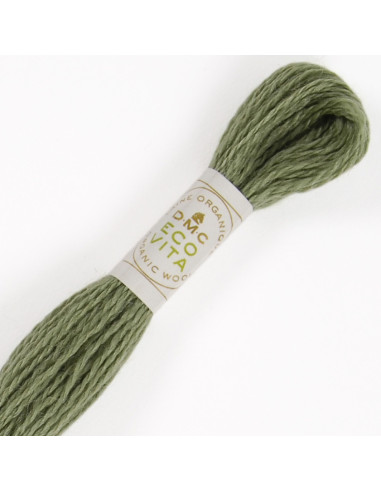
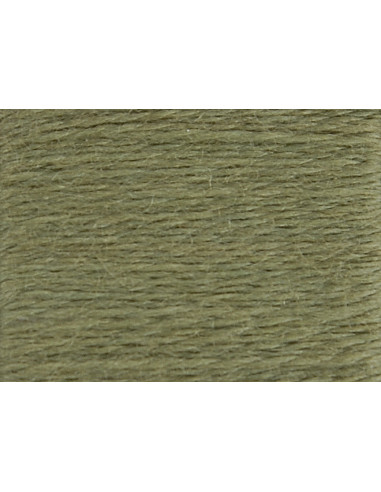
No. 705 - Indigo Prairie
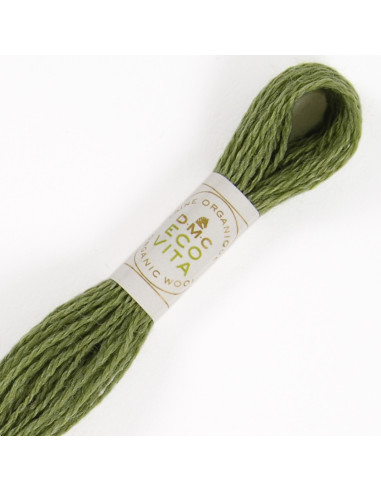
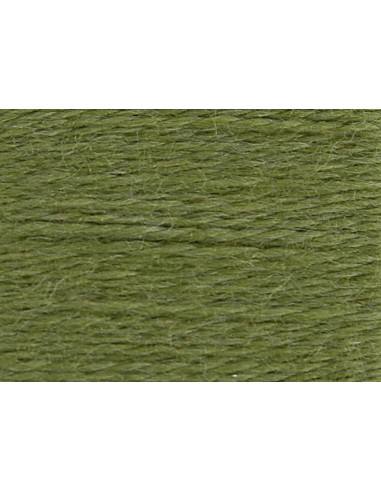
No. 706 - Fern Indigo
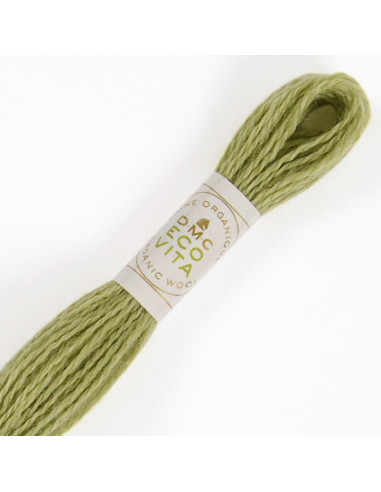
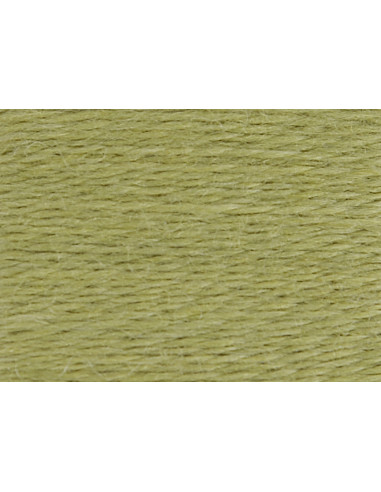
No. 707 - Linden Joy
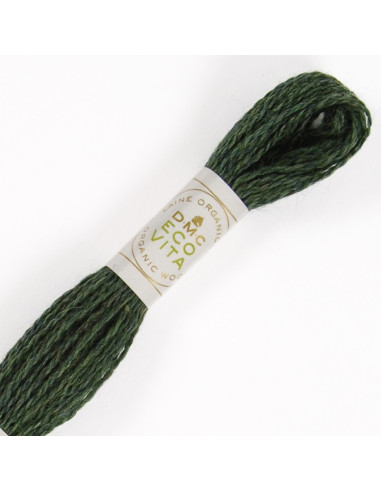
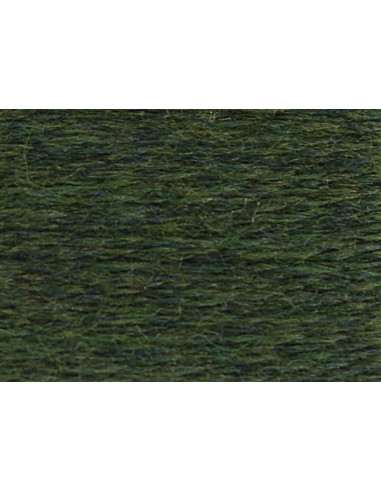
No. 708 - Spruce Indigo
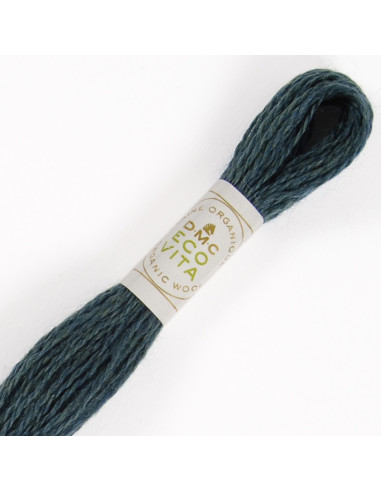
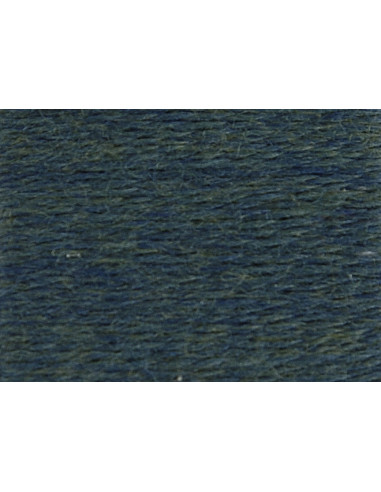
No. 709 - Indigo Cypress
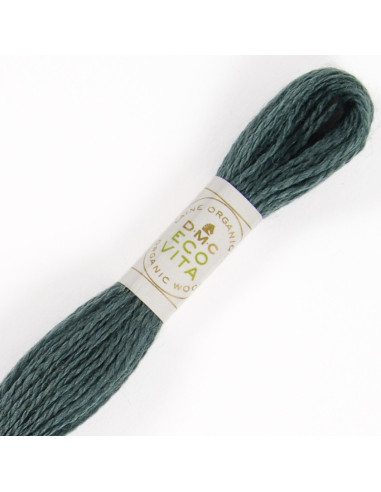
No. 710 - Gaude cedar